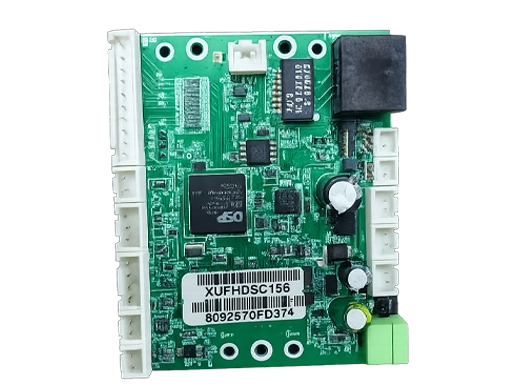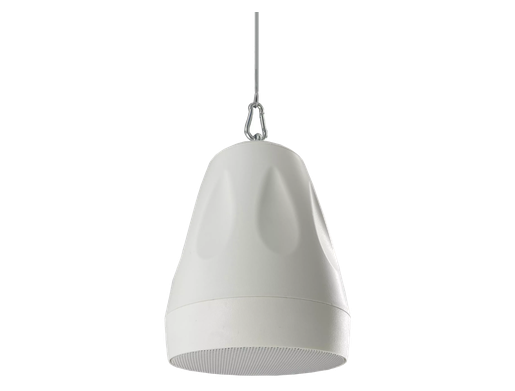


Что такое атмосферостойкий телефон?
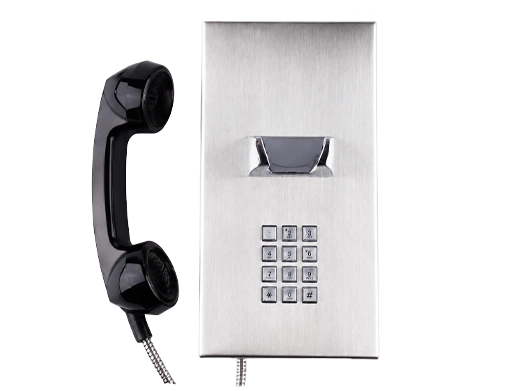
Атмосферостойкий телефон — это прочное коммуникационное устройство, созданное для мест, где обычным офисным телефонам нельзя доверять. Он разработан для продолжения работы под дождем, в пыли, при высокой влажности, перепадах температур и других сложных наружных условиях, обеспечивая при этом надежную голосовую связь. В реальных проектах это важно, потому что связь на открытых площадках редко бывает просто удобством. Она часто напрямую связана с безопасностью, координацией, реагированием на неполадки и обработкой экстренных вызовов.
В компании Becke Telcom мы рассматриваем атмосферостойкий телефон не просто как базовое оконечное устройство для звонков. Это инструмент полевой связи для суровых и критически важных сред. Будь то установка вдоль дороги, внутри туннеля, по периметру завода, возле погрузочной зоны или на территории коммунального объекта, он обеспечивает фиксированную и надежную голосовую точку, где связь должна оставаться доступной, даже когда окружающая среда противодействует оборудованию.
Почему атмосферостойкие телефоны по-прежнему важны
Многие современные объекты используют мобильные телефоны, радиостанции, видеосистемы и программные платформы, однако стационарные полевые телефоны по-прежнему играют важную роль. В случае чрезвычайной ситуации или эксплуатационной проблемы выделенный атмосферостойкий телефон обеспечивает немедленный, известный и всегда доступный путь в диспетчерскую, на пост охраны, в бригаду технического обслуживания или диспетчерский центр. Нет необходимости искать контакт, полагаться на заряд батареи личного устройства или надеяться на стабильное покрытие мобильной связи в нужном месте и в нужное время.
Эта надежность становится особенно важной в наружных и промышленных локациях. Если коммуникационное оборудование выходит из строя из-за воздействия погоды, влаги, коррозии или сильного шума, результатом могут быть задержки в отчетности, замедленное реагирование на инциденты, снижение безопасности рабочих и предотвратимые сбои в работе. Атмосферостойкий телефон помогает устранить этот пробел, предоставляя организациям более прочную основу для связи там, где обычное оборудование было бы слабым звеном.
В открытых средах надежность связи — это не мелкая деталь. Это часть безопасности и оперативной готовности объекта.
Ключевые особенности атмосферостойкого телефона
Прочная конструкция для сурового наружного использования
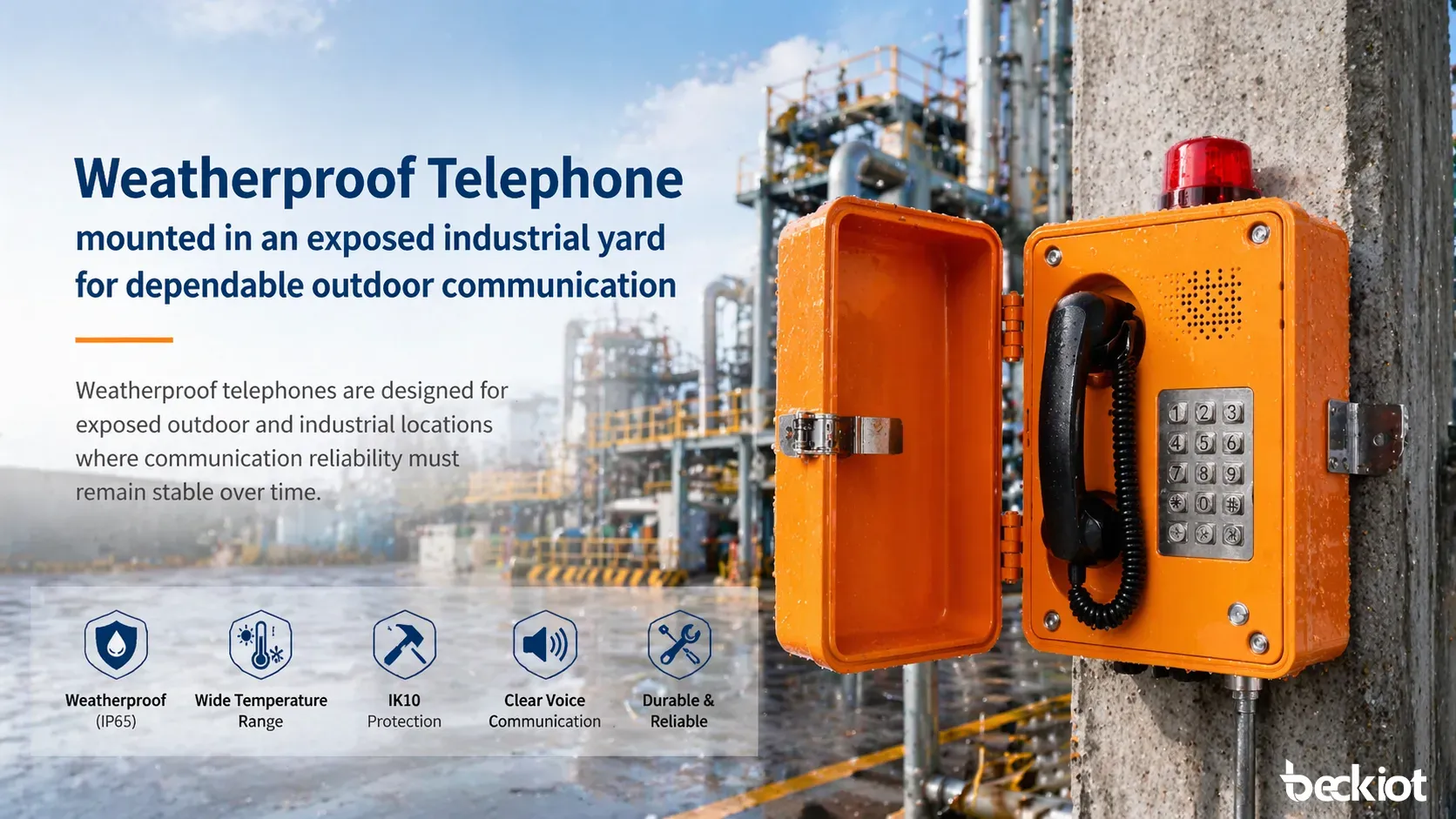
Самая очевидная особенность атмосферостойкого телефона — его физическая прочность. Эти устройства обычно помещаются в герметичные и ударопрочные корпуса, предназначенные для работы под дождем, пылью, влагой и при постоянном воздействии наружной среды. Это делает их пригодными для долгосрочной установки в транспортной инфраструктуре, промышленных зданиях, коммунальных объектах, морских зонах и других сложных полевых условиях.
Такая прочная конструкция не только защищает электронику. Она повышает уверенность в работе. Владельцы объектов и интеграторы должны знать, что телефон будет по-прежнему доступен после длительного воздействия окружающей среды, а не только в течение первых недель после установки. Атмосферостойкая конструкция снижает риск преждевременного выхода из строя и со временем помогает поддерживать модель развертывания с низкими эксплуатационными расходами.
Чистая голосовая связь в шумных средах
Многие объекты с суровыми условиями также являются и сильно зашумленными. Туннели, автомагистрали, заводы, порты, ветряные электростанции, коммунальные дворы и технологические объекты создают условия, в которых слабые аудиохарактеристики быстро становятся серьезной проблемой. По этой причине от атмосферостойких телефонов часто ожидают обеспечения громкого и разборчивого звука, а не простого установления соединения.
В Becke Telcom мы знаем, что четкость речи является одним из важнейших факторов производительности в промышленной и экстренной связи. Если вызывающего абонента не понимают во время сообщения о неисправности, оповещения о безопасности или запроса помощи, цепочка связи уже теряет ценность. Поэтому сильный аудиодизайн, практичная громкость и стабильность вызовов являются центральными для полезности атмосферостойкого телефона.
Быстрый доступ к помощи и экстренная связь
Атмосферостойкий телефон часто развертывается потому, что скорость имеет значение. Во многих полевых местах устройство используется для вызова помощи одним нажатием, прямого соединения с диспетчерской, громкой связи или немедленного эскалации руководителю или группе реагирования на чрезвычайные ситуации. Это делает его особенно ценным в местах, где персонал может работать в одиночку, общественность может нуждаться в помощи или инциденты должны быть сообщены без промедления.
Преимущество практичное и немедленное. Стационарный телефон с возможностью экстренного вызова сокращает путь между инцидентом и реагированием. Вместо того чтобы полагаться на импровизированную связь, объект предоставляет специально созданную контактную точку, предназначенную для постоянной готовности к использованию.
Интеграция с SIP, IP АТС, системами оповещения и диспетчеризации
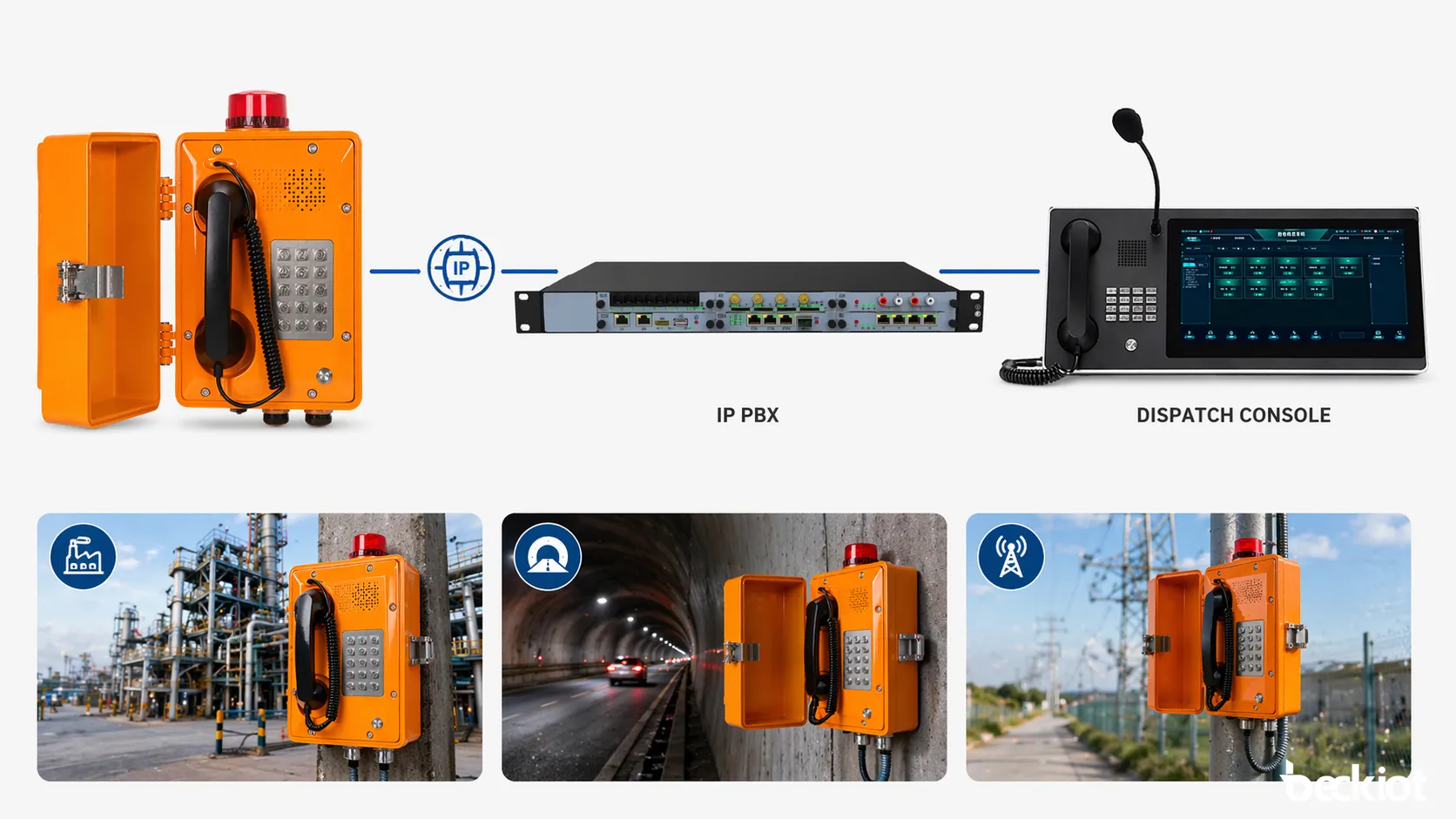
Современные атмосферостойкие телефоны все чаще развертываются как часть более широкой IP-архитектуры связи. Во многих проектах стандартная интеграция на основе SIP позволяет полевому телефону подключаться к IP АТС, платформе интеркома, системе оповещения, консоли диспетчерской или приложению диспетчеризации. Это создает более полный рабочий процесс связи между внутренними пользователями, наружными полевыми точками, мобильным персоналом и руководящими группами. Это же направление к интеграции на основе SIP, HD голосу, открытой архитектуре и многосистемной координации соответствует подходу к связи, отраженному в загруженных вами материалах решений.
Для пользователей выгода проста. Телефон больше не работает как изолированная аппаратная точка. Он становится частью связанной операционной системы, которая может поддерживать перевод вызовов, связь с трансляцией, обработку предупреждений, полевую координацию и более быстрые процедуры реагирования.
Адаптируемость к наружным и промышленным условиям
Атмосферостойкие телефоны выбирают потому, что условия на объектах редко бывают мягкими или предсказуемыми. Некоторые проекты сталкиваются с влажностью и коррозией. Другие имеют дело с пылью, широкими температурными колебаниями, вибрацией или интенсивным ежедневным использованием. Полевое коммуникационное устройство должно стабильно работать в этих изменяющихся условиях, а не только в идеальных обстоятельствах.
Вот почему атмосферостойкие телефоны остаются востребованными во многих отраслях. Они разработаны не вокруг узкого офисного сценария использования. Они разработаны вокруг реальности полевых операций, где оборудование должно надежно работать в местах, которые являются открытыми, удаленными, шумными или трудными для обслуживания.
Преимущества использования атмосферостойкого телефона
Повышенная безопасность объекта
Одним из самых больших преимуществ является повышенная безопасность. Видимая и надежная точка связи позволяет рабочим, водителям, подрядчикам и посетителям быстро запросить помощь, когда она им нужна. Это важно в изолированных рабочих зонах, открытых общественных зонах, транспортных коридорах, периметрах заводов и точках технического обслуживания, где немедленный контакт с ответственной командой может иметь реальное значение.
Это также способствует более раннему информированию. Незначительные неисправности, подозрительные условия, проблемы с доступом и зарождающиеся опасности могут быть быстро переданы до того, как они превратятся в более крупные инциденты. В этом смысле атмосферостойкий телефон поддерживает как реагирование на чрезвычайные ситуации, так и профилактические действия.
Более быстрое оперативное реагирование
Надежный полевой телефон улучшает время реагирования, поскольку создает прямой путь связи между объектом и людьми, ответственными за действия. Диспетчерские могут отвечать быстрее, руководители могут координировать быстрее, а полевые бригады могут быть информированы быстрее. Для многих организаций это приводит к лучшему управлению инцидентами и более плавной повседневной работе.
Эта ценность не ограничивается чрезвычайными ситуациями. Координация планового технического обслуживания, поддержка инспекций, запросы на доступ и отчеты о состоянии также становятся более эффективными, когда персонал знает, что в поле доступна фиксированная, надежная конечная точка.
Лучшая долгосрочная надежность и ценность обслуживания
Атмосферостойкий телефон — это также решение на весь срок службы. Выбор оборудования, предназначенного для работы в сложных условиях, может снизить частоту отказов, замен и нагрузку на техническое обслуживание по сравнению с использованием стандартного внутреннего оборудования в неподходящих местах. Это становится еще более важным, когда устройство устанавливается в удаленных, труднодоступных или иных неудобных местах, где каждый визит для обслуживания стоит времени и труда.
Для владельцев объектов и системных интеграторов долгосрочная надежность часто является одной из самых веских причин с самого начала указывать атмосферостойкие модели, а не пытаться адаптировать офисное оборудование для наружного применения.
Типичные применения атмосферостойких телефонов
Автомагистрали, дороги и туннели
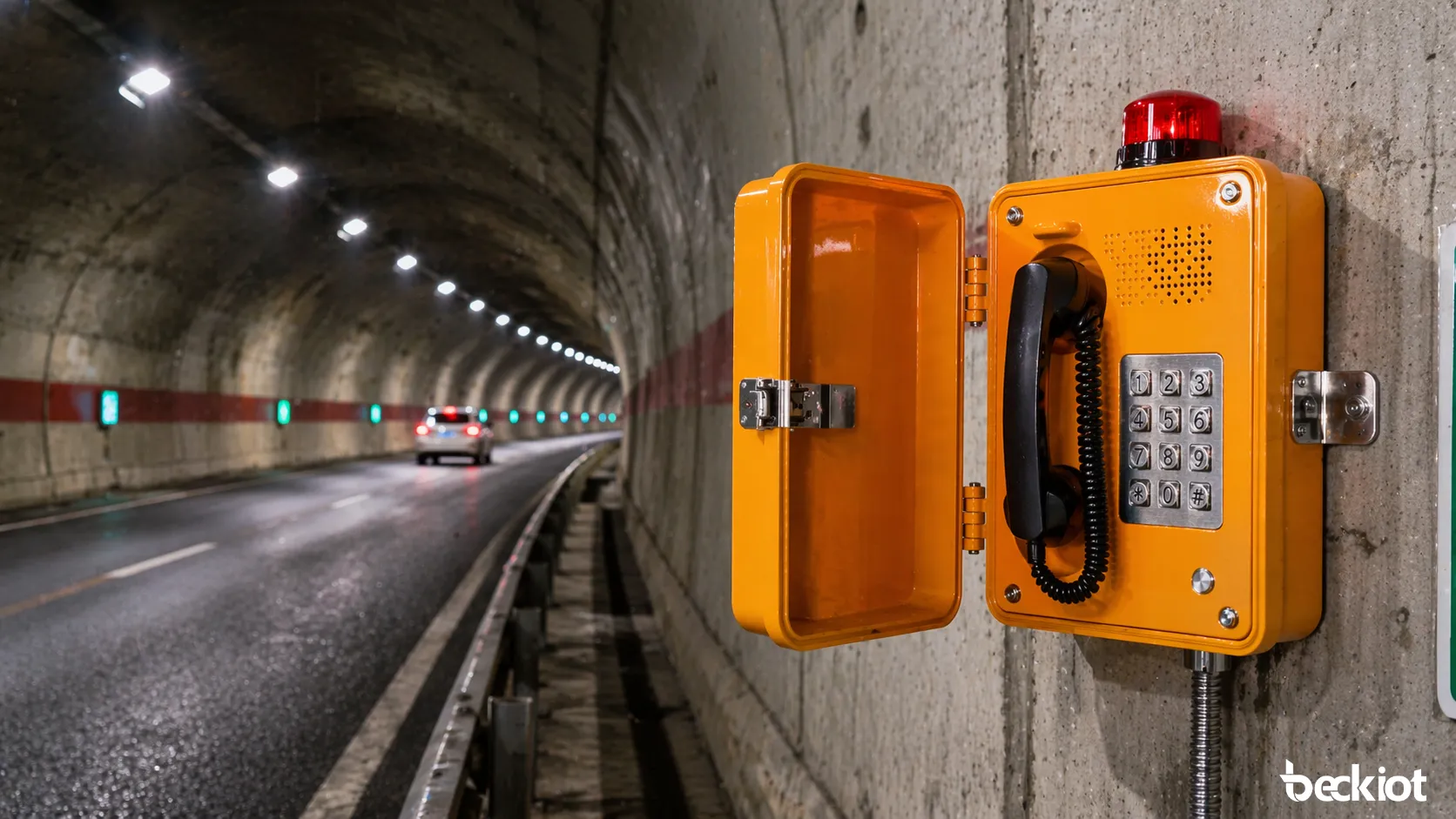
Транспортная инфраструктура остается одной из самых распространенных областей применения. Атмосферостойкие телефоны часто устанавливаются в придорожных пунктах помощи, станциях связи в туннелях, зонах обслуживания, на пунктах взимания платы и в точках доступа для обслуживания. В этих условиях они поддерживают запросы помощи, сообщения об инцидентах, координацию операторов и экстренную связь, когда скорость и четкость наиболее важны.
Это также среды, где фоновый шум, воздействие погоды и эксплуатационное давление присутствуют одновременно. Поэтому атмосферостойкая конструкция не является опциональной. Это практическое требование для надежной связи.
Заводы, производственные предприятия и коммунальные объекты
Промышленные и коммунальные проекты также сильно зависят от полевой связи. Заводы, подстанции, насосные станции, очистные сооружения, материальные дворы и технологические зоны часто включают открытые или полуоткрытые зоны, где стандартные телефоны не подходят. Атмосферостойкий телефон дает техникам, операторам и подрядчикам прямой способ связаться с персоналом управления или технического обслуживания, не полагаясь полностью на личные устройства.
В этих условиях телефон поддерживает как рутинные операции, так и обработку нештатных ситуаций. Он может использоваться для координации инспекций, сообщений о техническом обслуживании, реагирования на тревоги, поддержки смен или эскалации инцидентов, в зависимости от того, как спроектирована более широкая система.
Порты, морские объекты, энергетические проекты и удаленная инфраструктура
Порты, зоны морской поддержки, объекты возобновляемой энергии, железнодорожные активы и удаленная общественная инфраструктура также выигрывают от атмосферостойких телефонов. Эти проекты часто сочетают воздействие внешней среды, удаленность и операционную изоляцию, что делает фиксированные точки связи особенно ценными. Там, где покрытие мобильной связи нестабильно или где персоналу нужна всегда известная контактная точка, атмосферостойкий телефон может обеспечить эту стабильность.
В Becke Telcom мы наблюдаем высокий спрос на прочные коммуникационные решения именно в таких сложных развертываниях. Организации хотят устройства, которые не просто устойчивы к погодным условиям на бумаге, но действительно подходят для реального использования в суровых, наружных и критически важных средах.
Как выбрать правильный атмосферостойкий телефон
Начните с реальной среды
Правильный продукт зависит в первую очередь от того, где он будет установлен. Покупатели должны учитывать воздействие дождя, влажности, пыли, коррозии, вибрации и шума, а также положение при монтаже и доступ для обслуживания. Устройство для защищенной наружной стены — это не то же самое, что устройство, предназначенное для портала туннеля, периметра коммунального объекта, прибрежной зоны или промышленной технологической зоны.
Выбор с учетом фактической среды помогает избежать занижения спецификаций решения. Это также предотвращает противоположную ошибку — выбор устройства с функциями, которые увеличивают стоимость, не добавляя значимой ценности для объекта.
Подумайте о рабочем процессе связи
Также важно спросить, как телефон будет фактически использоваться. Будет ли он служить точкой экстренного вызова, конечной точкой связи для технического обслуживания, пунктом общественной помощи или частью более широкого процесса диспетчеризации? Потребуется ли пользователям громкая связь, кнопки быстрого вызова, интеграция с диспетчерской или совместимость с IP АТС или системой оповещения? Эти вопросы важны, потому что телефон должен соответствовать рабочему процессу, а не только месту установки.
Во многих проектах лучшим выбором является модель, которая наиболее естественно вписывается в существующие операционные процедуры организации. Коммуникационное оборудование приносит наибольшую пользу, когда оно поддерживает реальный способ работы объекта.
Планируйте системную интеграцию и долгосрочную надежность
Атмосферостойкий телефон также должен выбираться с учетом более широкой системы. Если на объекте уже используется IP-телефония на основе SIP, оповещение, интерком, видеонаблюдение, сигнализация или диспетчерское программное обеспечение, возможность интеграции становится важным фактором. Лучше интегрированная конечная точка может помочь унифицировать пользовательский опыт, упростить управление и улучшить координацию как во время рутинных операций, так и при инцидентах.
Долгосрочная надежность имеет не меньшее значение. Недорогое устройство, которое многократно выходит из строя в открытой среде, со временем обычно обходится дороже, чем правильно спроектированный полевой блок. Для серьезных наружных проектов долговечность, качество звука и ценность интеграции должны рассматриваться вместе, а не по отдельности.
Лучший атмосферостойкий телефон — это тот, который соответствует среде, рабочему процессу связи и долгосрочным операционным требованиям объекта.
Заключение
Атмосферостойкий телефон остается одним из самых практичных коммуникационных инструментов для наружных и сложных сред. Его цель проста, но критически важна: поддерживать голосовую связь там, где погода, шум и полевые условия делают обычные устройства ненадежными. Благодаря прочной конструкции, улучшенным аудиохарактеристикам, готовности к экстренной связи и потенциалу интеграции с системами на основе SIP и IP, он поддерживает как более безопасные операции, так и лучшую координацию.
Для организаций, создающих системы связи на автомагистралях, в туннелях, на заводах, в портах, коммунальных объектах, проектах возобновляемой энергии и других открытых локациях, правильный атмосферостойкий телефон может обеспечить долгосрочную ценность, далеко выходящую за рамки простых звонков. Becke Telcom предлагает атмосферостойкие телефоны и интегрированные коммуникационные решения, разработанные для суровых сред, критической инфраструктуры и эксплуатационных требований промышленного уровня.
Часто задаваемые вопросы (FAQ)
Для чего используется атмосферостойкий телефон?
Атмосферостойкий телефон используется в наружных или суровых средах, где стандартные телефоны недостаточно надежны. Типичные области применения включают экстренные вызовы, связь для технического обслуживания, полевую координацию, придорожную помощь, связь в туннелях, операции на заводах и пункты общественной помощи.
Его основная роль — обеспечить фиксированную и надежную голосовую точку в местах, где доступность связи связана с безопасностью, операциями или скоростью реагирования.
Можно ли подключить атмосферостойкий телефон к IP АТС?
Да, многие современные атмосферостойкие телефоны могут работать с системами на основе SIP и подключаться к IP АТС, платформе оповещения, сети интеркома или диспетчерской среде. Это позволяет им работать как часть более крупной системы связи, а не как изолированные полевые устройства.
Такая интеграция часто полезна для централизованного управления, маршрутизации вызовов, рабочих процессов эскалации и лучшей координации между наружными конечными точками и внутренними командами.
Где обычно устанавливают атмосферостойкие телефоны?
Их обычно устанавливают на автомагистралях, в туннелях, на заводах, подстанциях, в коммунальных коридорах, портах, местах возобновляемой энергии, кампусах и других наружных или полуоткрытых средах. Это места, где погода, шум и эксплуатационное воздействие требуют более прочного коммуникационного оборудования.
Они также используются на видимых пунктах общественной помощи, где важен быстрый доступ к помощи.
Почему стоит выбрать Becke Telcom для проектов с атмосферостойкими телефонами?
Becke Telcom специализируется на промышленных и экстренных коммуникационных решениях для сложных сред. Это включает требования к связи, где прочность, четкость звука, надежность и системная интеграция имеют значение в реальном развертывании.
Для клиентов, планирующих системы связи в суровых средах, Becke Telcom может поддержать как выбор устройств, так и более широкий дизайн интегрированной связи, основанный на условиях объекта и операционных целях.