
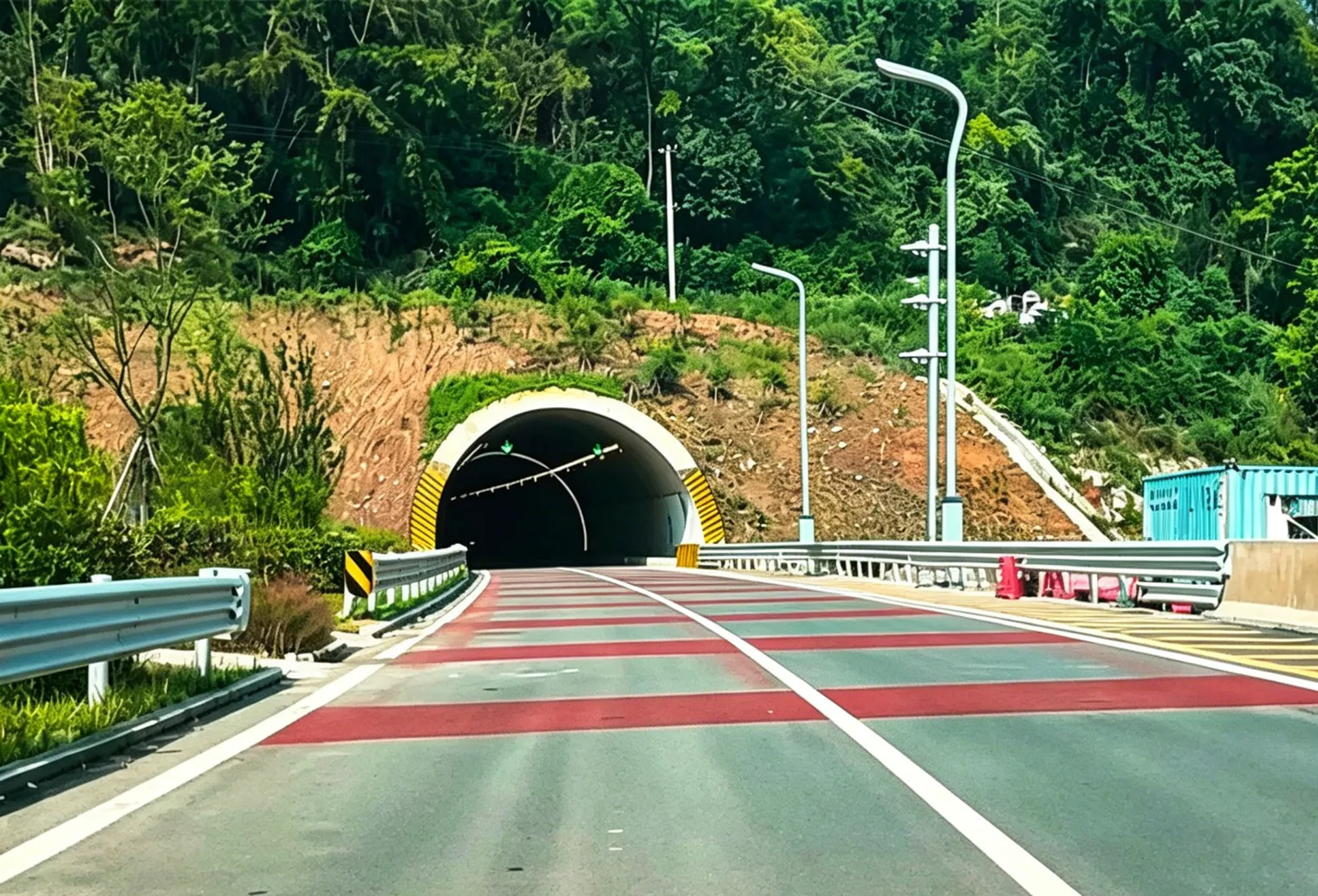
Туннель
Решение для экстренной связи для проекта подземного тоннеля в Сучжоу
Данный проект подземной инженерной галереи в Сучжоу предназначен для размещения комплекса муниципальных инженерных коммуникаций, включая водоснабжение, водоотведение, электроснабжение, газоснабжение, телекоммуникационные, радио и телевизионные линии. В рамках проекта также создан муниципальный центр мониторинга.
Эффективное использование подземного пространства инженерной галереи позволяет максимально повысить эффективность использования городских земель и способствует достижению целей зеленого развития в сфере жилищного строительства и городского благоустройства.
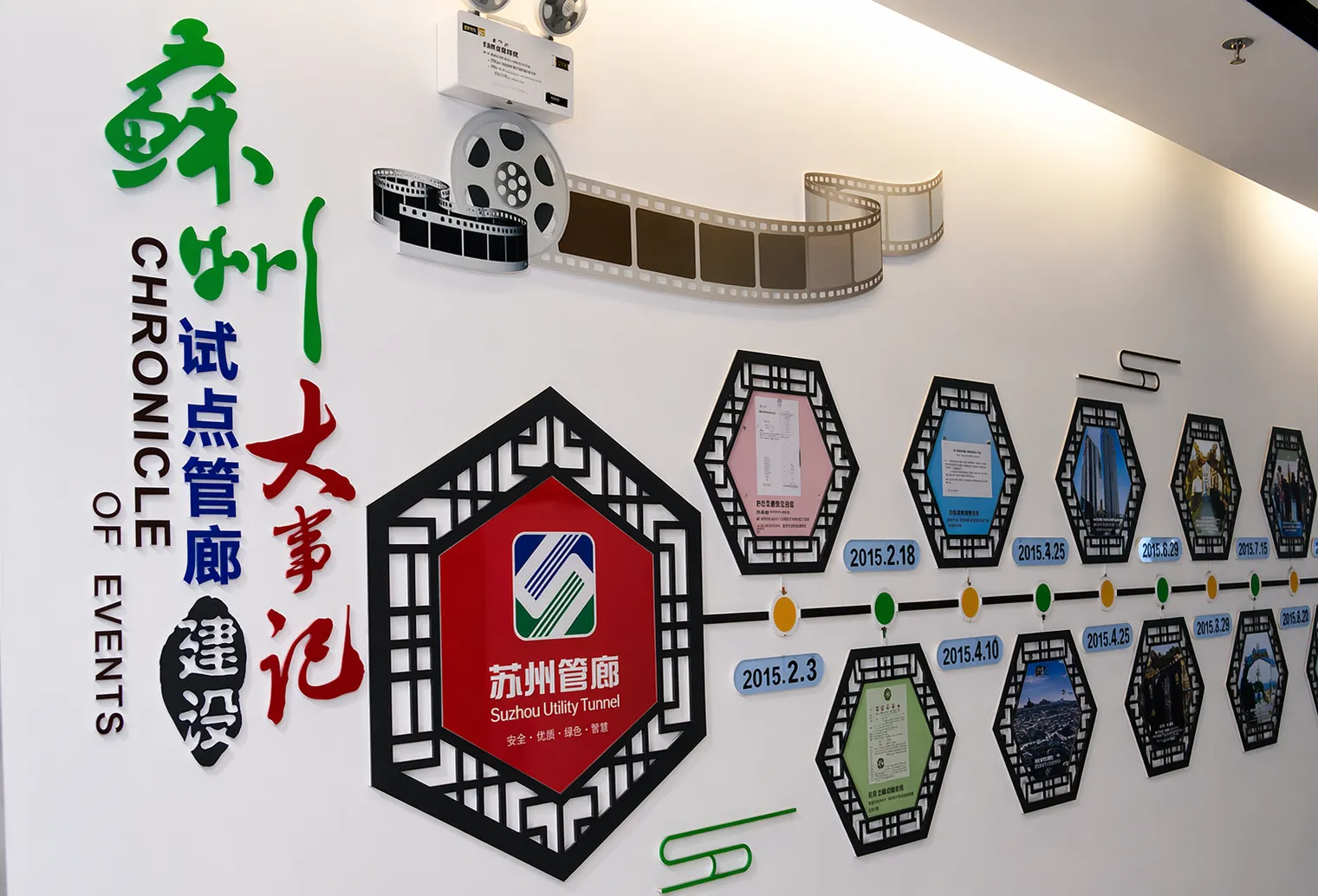
Комплексная инженерная галерея включает не только муниципальные коммуникации водоснабжения, водоотведения, электроснабжения, газоснабжения и вещательные линии, но и множество вспомогательных систем: распределение электроэнергии, освещение, видеонаблюдение. В связи с этим объем работ по инспекции, техническому обслуживанию и ремонту внутри галереи является значительным.
Инженерная галерея расположена под землей на значительном удалении от поверхности, поэтому сети мобильной связи внутри нее не работают. Таким образом, при прокладке коммуникаций, повседневной эксплуатации и техническом обслуживании специализированная система связи инженерной галереи становится одной из важнейших вспомогательных систем для безопасной и эффективной работы объекта.
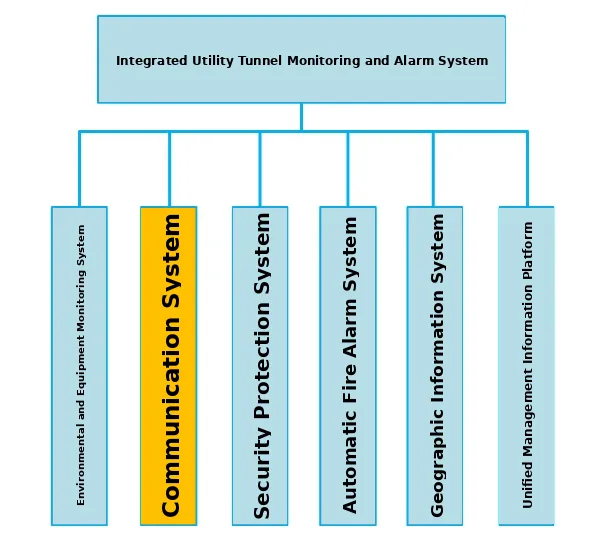
В рамках проекта было развернуто решение аварийной связи для инженерной галереи. Система состоит из командно-диспетчерской платформы центра мониторинга и специализированных телефонов для инженерной галереи. В данном проекте компания Becke Communications поставила телефонные аппараты для подземной галереи.
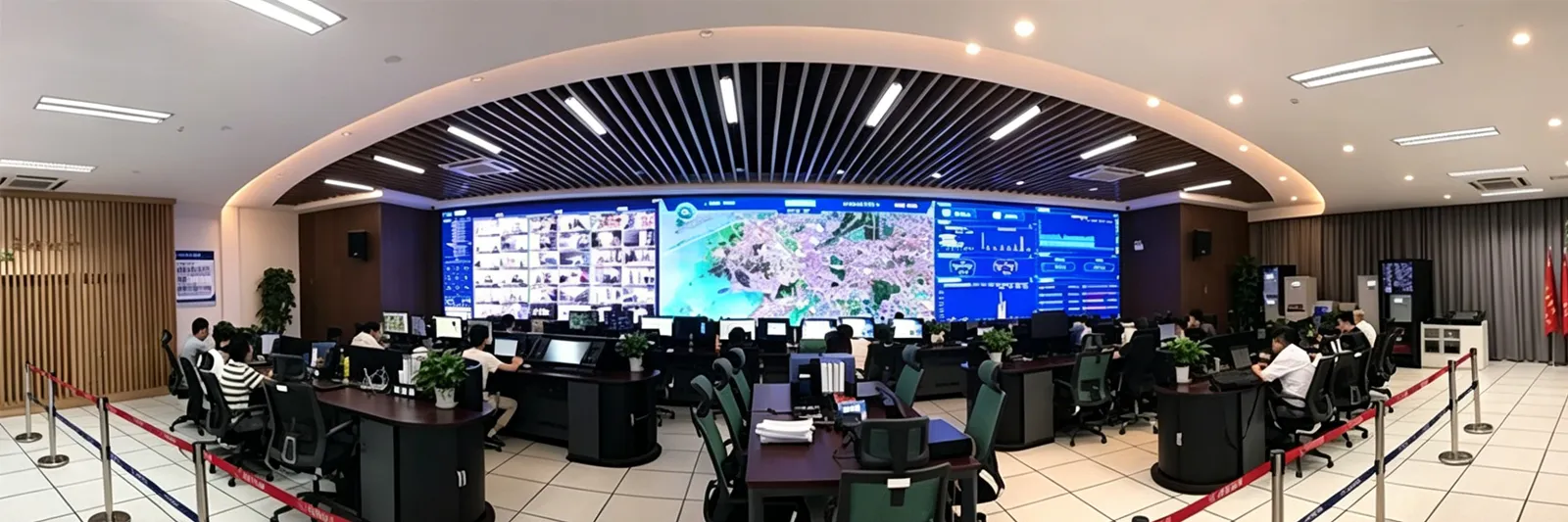
В центре мониторинга инженерной галереи развернута визуальная диспетчерская платформа для централизованного управления системами видеонаблюдения и коммуникационными терминалами, расположенными по всей протяженности галереи. В центре мониторинга установлена большая дисплейная панель для круглосуточного видеонаблюдения за ситуацией в галерее, что позволяет немедленно принимать экстренные меры при возникновении инцидентов.
При поступлении вызова помощи от персонала внутри галереи оператор центра мониторинга мгновенно подключает видеопоток с ближайшей камеры для определения местоположения и характера происшествия. После подтверждения сигнала тревоги операторы с помощью диспетчерского пульта могут выполнять зонное оповещение, общегалерейные объявления или экстренное вещание по всей территории инженерной галереи.
При необходимости связи центра мониторинга с персоналом галереи оператор может набрать номер группы громкоговорящих переговорных устройств. Все телефоны данной группы начинают вещание через встроенные динамики. Сотрудники галереи подходят к ближайшему телефонному аппарату и отвечают на вызов снятием трубки. После ответа на одном из аппаратов громкоговещание на остальных устройствах группы автоматически прекращается, устанавливается двусторонняя связь между центром мониторинга и ответившим абонентом.
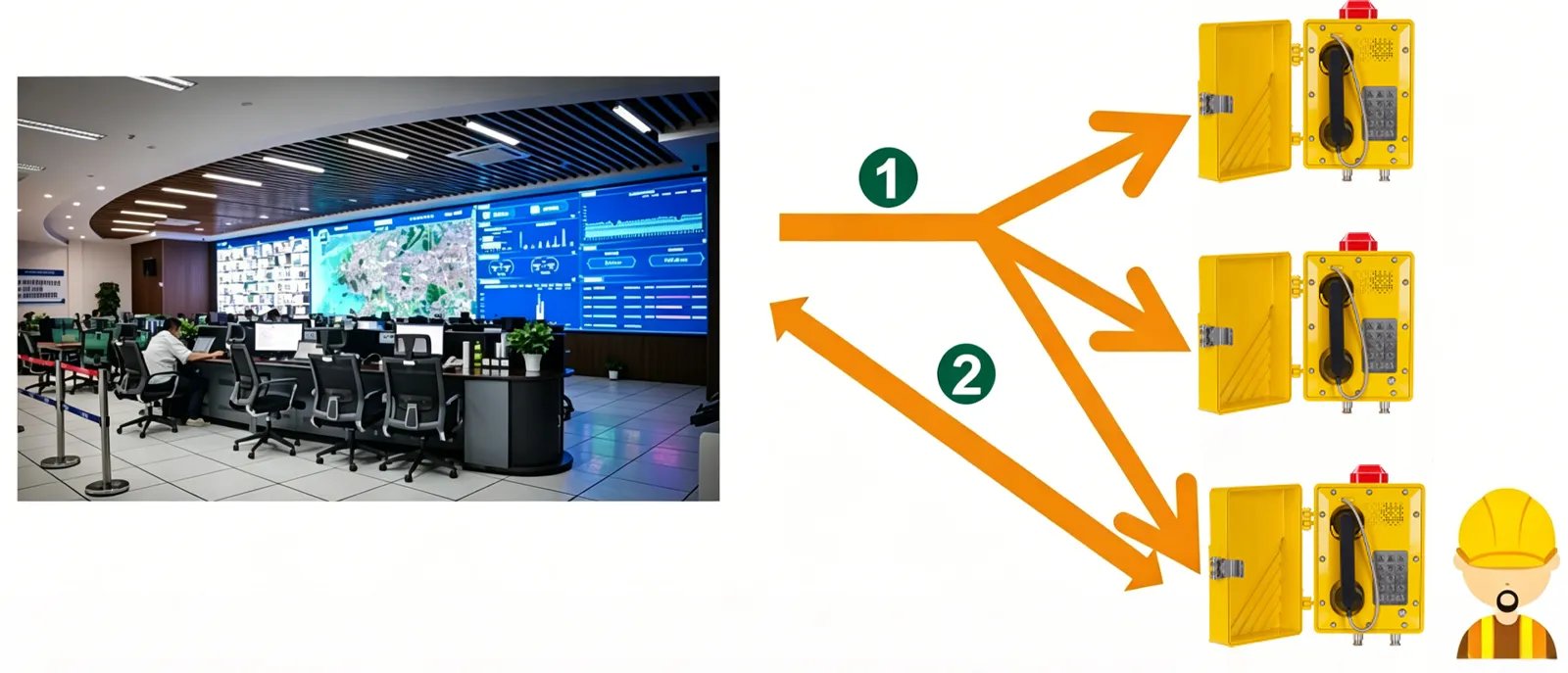
Телефонные аппараты для подземной галереи устанавливаются с равным интервалом по всей ее длине, обеспечивая возможность экстренного вызова на всем маршруте. Персонал внутри галереи также может использовать эти телефоны для двусторонней переговорной связи между собой.
В случае возникновения чрезвычайной ситуации сотрудники галереи могут немедленно связаться с центром мониторинга через ближайший телефонный аппарат. Телефоны оснащены сигнальными лампами и водонепроницаемыми громкоговорителями. После подтверждения тревоги центром мониторинга активируется световая сигнализация с звуковым оповещением, а также запускаются предустановленные голосовые сообщения для оперативного и безопасного эвакуации персонала с места происшествия.
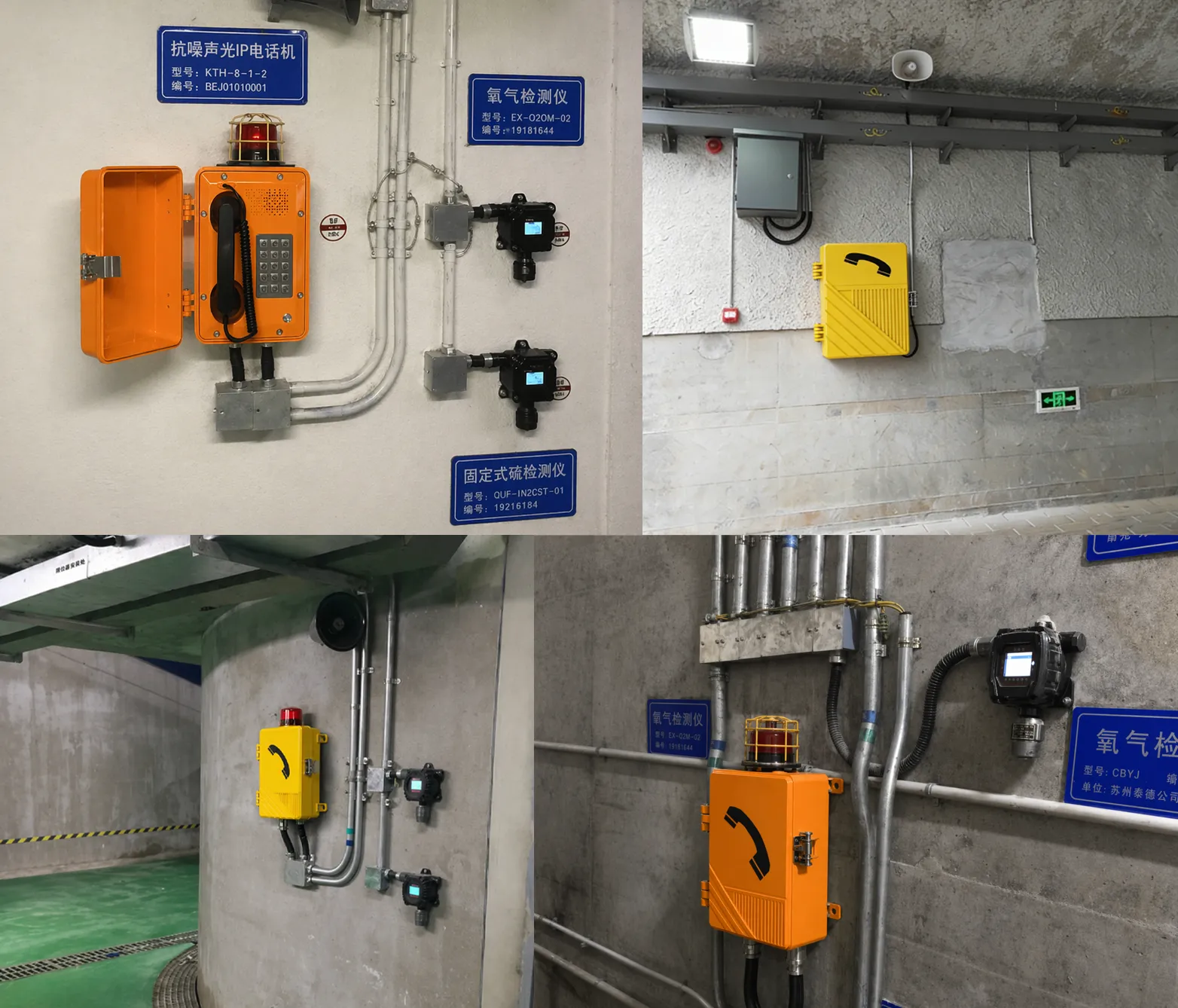
Поскольку каждый отсек подземной галереи содержит важнейшие муниципальные инженерные коммуникации, все устанавливаемые аварийные телефонные устройства должны соответствовать промышленному классу защиты от влаги, пыли, коррозии и окисления.
Для разных условий эксплуатации в отсеках галереи требуются разные модели телефонов. В электроотсеке проекта применяется водонепроницаемый промышленный телефон Becke EX-BT27 с защитой от влаги и коррозии. В газовом отсеке установлен взрывозащищенный телефон EX-BH621, соответствующий требованиям безопасности опасных зон.
Система аварийной связи инженерной галереи полностью удовлетворяет потребностям мобильной связи персонала различных служб, работающего под землей. Она создает гибкую и надежную коммуникационную среду для обслуживающего, дежурного и патрульного персонала галереи, а также обеспечивает прямую связь с операторами диспетчерской и управленческим персоналом.