Как управлять аудиовыходом усилителя на промышленных SIP-интеркомах?

Введение

Обзор

Когда промышленные устройства подключены к внешнему усилителю, вы можете управлять подачей звука на усилитель в зависимости от сценария применения. Во время обычных звонков усилитель должен быть ВЫКЛЮЧЕН, и используется только встроенный динамик. Во время трансляций или экстренных объявлений усилитель должен быть включен. В этом документе описаны два метода управления для разных моделей устройств.

Применимые модели

BHP‑SOS10, BHP‑SOS10V, BHP‑SOS10D, BHP‑SOS11V, BHP‑SOS11V2, BHP‑SOS16, BHP‑SOS16V, BK‑ROIP‑PA2, BK‑ROIP‑PA2S, BK‑ROIP‑PA3, BHP‑SOS12.

Инструменты для подготовки

① Одно поддерживаемое устройство (BHP‑SOS16V в качестве примера), PoE-коммутатор (или источник питания постоянного тока), один усилитель, один динамик. Подключите усилитель к устройству, а динамик к усилителю. Подключите устройство к коммутатору.
② Один отладочный компьютер, подключенный к тому же коммутатору для обеспечения сетевого соединения.

Схема подключения устройства и компьютера

Подключите BHP‑SOS16V и компьютер к одному коммутатору. Схема подключения показана на Рисунке 1.
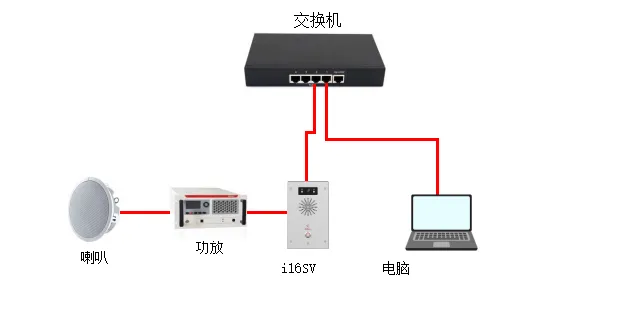
Схема подключения устройства и компьютера

                  Рисунок 1 Схема подключения устройства и компьютера

Управление аудиовыходом усилителя

Выходом усилителя можно управлять либо включением интерфейса аудиовыхода, либо с помощью реле для включения/выключения усилителя. Оба метода описаны ниже.

Управление через интерфейс аудиовыхода

Этот метод применяется к: сериям BHP‑SOS10, BHP‑SOS11, BHP‑SOS16, BK‑ROIP‑PA2, PA2S, PA3. Примечание: BK‑ROIP‑PA2/PA2S используют интерфейс Headset; PA3 использует Line Out. Серии i10/i11 требуют индивидуальной 2-контактной проводки MX1.25. Настройка через веб-интерфейс: (1) Войдите в веб-интерфейс (имя пользователя/пароль по умолчанию: admin).
(2) Перейдите в Настройки домофонаНастройки медиаНастройки медиа.

  • Установите Включить внешний динамик в значение Громкая связь и линейный выход.

  • Установите Состояние триггера линейного выхода в значение Вызываемый домофон.

Описание параметров:

  • Громкая связь и линейный выход: Включает как звук громкой связи, так и линейный выход.

  • Состояние триггера линейного выхода:

    • Звонок: Срабатывание при звонке

    • Вызывающий (Говорит): Срабатывание при исходящих вызовах

    • SIP вызываемый (Говорит): Срабатывание при входящих SIP вызовах

    • Мультикаст вызываемый: Срабатывание при получении мультикаста

    • Вызываемый домофон: Срабатывание при входящих вызовах домофона
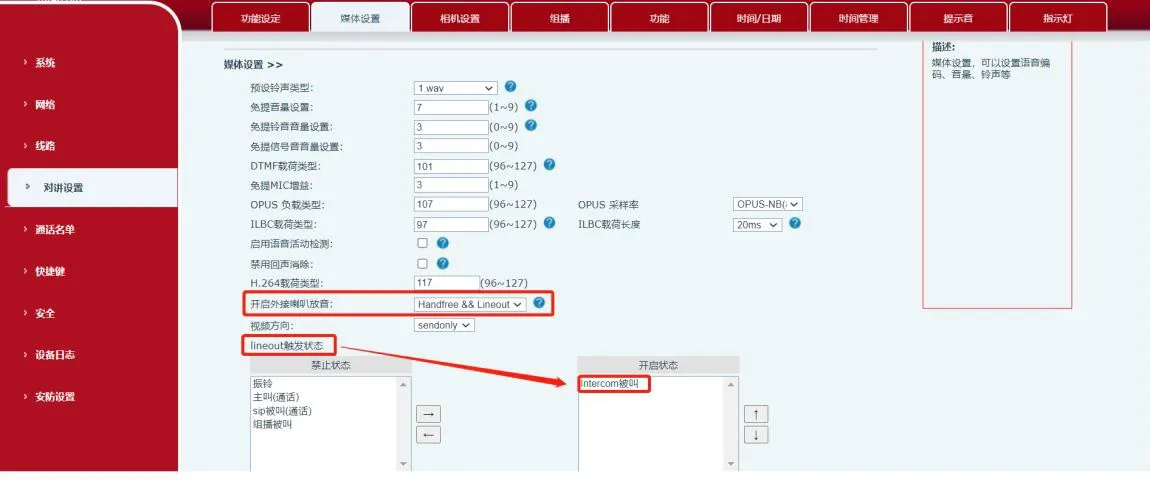
Схема управления аудиовыходом

Рисунок 2 Схема управления аудиовыходом

Управление через выход реле

Этот метод применяется ко всем перечисленным моделям, включая BHP‑SOS12. (1) Спецификации выходного порта

МодельBHP‑SOS12BHP‑SOS16/16VBHP‑SOS10/11V/PA2BK‑ROIP‑PA2S
Выходные порты2211
НоминалыDC 30V/1A
AC 30V/1A
DC 30V/2A
AC 125V/0.5A
DC 30V/1A
AC 125V/0.5A
DC 30V/1A
AC 125V/0.5A

(2) Подключение усилителя (пример с сухим контактом) ① Для режима внешнего питания BHP‑SOS16V: соедините контакты 2‑3 JP1, оставьте контакты 1 и 4 неподключенными, как показано на Рисунке 3.
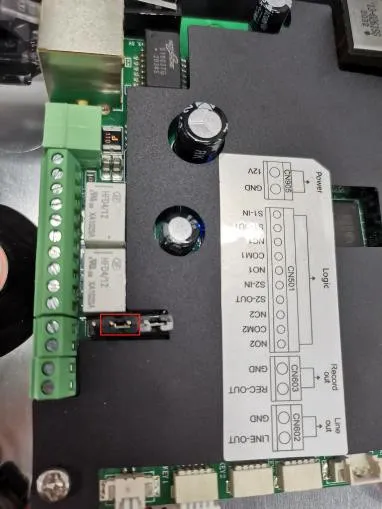
Схема подключения перемычки

Рисунок 3 Схема подключения перемычки

② Подключение: - Плюс питания → Плюс усилителя - Минус питания → COM устройства - Минус усилителя → NC устройстваСхема подключения усилителя
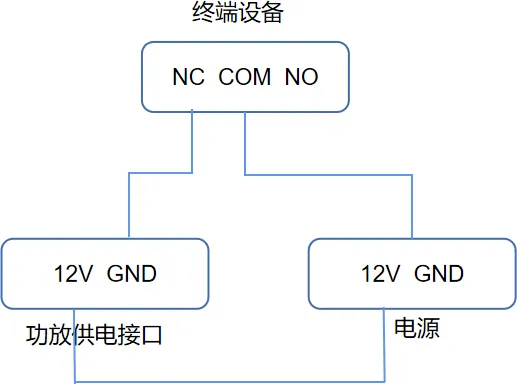
Рисунок 4 Схема подключения усилителя

③ Подключение аудио: - Левый аудио усилителя → Аудиовыход + устройства - GND усилителя → GND устройстваПодключение аудиовхода
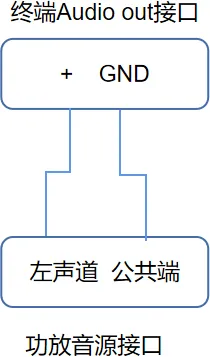
Рисунок 5 Подключение аудиовхода

(3) Конфигурация выходного порта ① Перейдите в Настройки безопасностиНастройки выходного порта.
② Отметьте Выходной порт 1 (или 2).
③ Отметьте Срабатывание по состоянию вызова и включите Вызываемый домофон.
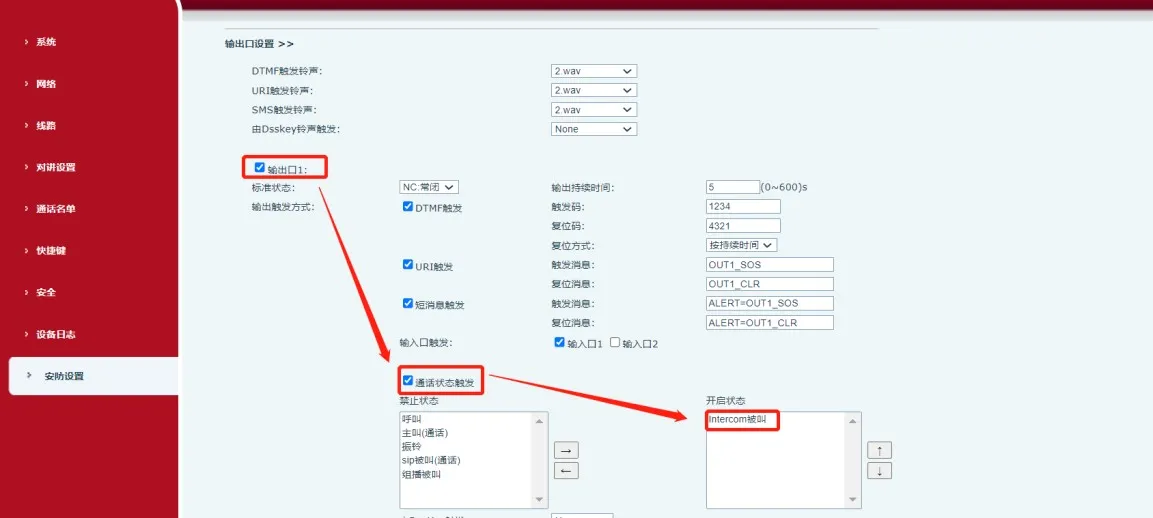
Конфигурация выходного порта

Рисунок 6 Конфигурация выходного порта

Когда устройство получает событие Вызываемый домофон, COM и NC замыкаются, включая усилитель.

Каталог
обслуживание клиентов Телефон
We use cookie to improve your online experience. By continuing to browse this website, you agree to our use of cookie.

Cookies

This Cookie Policy explains how we use cookies and similar technologies when you access or use our website and related services. Please read this Policy together with our Terms and Conditions and Privacy Policy so that you understand how we collect, use, and protect information.

By continuing to access or use our Services, you acknowledge that cookies and similar technologies may be used as described in this Policy, subject to applicable law and your available choices.

Updates to This Cookie Policy

We may revise this Cookie Policy from time to time to reflect changes in legal requirements, technology, or our business practices. When we make updates, the revised version will be posted on this page and will become effective from the date of publication unless otherwise required by law.

Where required, we will provide additional notice or request your consent before applying material changes that affect your rights or choices.

What Are Cookies?

Cookies are small text files placed on your device when you visit a website or interact with certain online content. They help websites recognize your browser or device, remember your preferences, support essential functionality, and improve the overall user experience.

In this Cookie Policy, the term “cookies” also includes similar technologies such as pixels, tags, web beacons, and other tracking tools that perform comparable functions.

Why We Use Cookies

We use cookies to help our website function properly, remember user preferences, enhance website performance, understand how visitors interact with our pages, and support security, analytics, and marketing activities where permitted by law.

We use cookies to keep our website functional, secure, efficient, and more relevant to your browsing experience.

Categories of Cookies We Use

Strictly Necessary Cookies

These cookies are essential for the operation of the website and cannot be disabled in our systems where they are required to provide the service you request. They are typically set in response to actions such as setting privacy preferences, signing in, or submitting forms.

Without these cookies, certain parts of the website may not function correctly.

Functional Cookies

Functional cookies enable enhanced features and personalization, such as remembering your preferences, language settings, or previously selected options. These cookies may be set by us or by third-party providers whose services are integrated into our website.

If you disable these cookies, some services or features may not work as intended.

Performance and Analytics Cookies

These cookies help us understand how visitors use our website by collecting information such as traffic sources, page visits, navigation behavior, and general interaction patterns. In many cases, this information is aggregated and does not directly identify individual users.

We use this information to improve website performance, usability, and content relevance.

Targeting and Advertising Cookies

These cookies may be placed by our advertising or marketing partners to help deliver more relevant ads and measure the effectiveness of campaigns. They may use information about your browsing activity across different websites and services to build a profile of your interests.

These cookies generally do not store directly identifying personal information, but they may identify your browser or device.

First-Party and Third-Party Cookies

Some cookies are set directly by our website and are referred to as first-party cookies. Other cookies are set by third-party services, such as analytics providers, embedded content providers, or advertising partners, and are referred to as third-party cookies.

Third-party providers may use their own cookies in accordance with their own privacy and cookie policies.

Information Collected Through Cookies

Depending on the type of cookie used, the information collected may include browser type, device type, IP address, referring website, pages viewed, time spent on pages, clickstream behavior, and general usage patterns.

This information helps us maintain the website, improve performance, enhance security, and provide a better user experience.

Your Cookie Choices

You can control or disable cookies through your browser settings and, where available, through our cookie consent or preference management tools. Depending on your location, you may also have the right to accept or reject certain categories of cookies, especially those used for analytics, personalization, or advertising purposes.

Please note that blocking or deleting certain cookies may affect the availability, functionality, or performance of some parts of the website.

Restricting cookies may limit certain features and reduce the quality of your experience on the website.

Cookies in Mobile Applications

Where our mobile applications use cookie-like technologies, they are generally limited to those required for core functionality, security, and service delivery. Disabling these essential technologies may affect the normal operation of the application.

We do not use essential mobile application cookies to store unnecessary personal information.

How to Manage Cookies

Most web browsers allow you to manage cookies through browser settings. You can usually choose to block, delete, or receive alerts before cookies are stored. Because browser controls vary, please refer to your browser provider’s support documentation for details on how to manage cookie settings.

Contact Us

If you have any questions about this Cookie Policy or our use of cookies and similar technologies, please contact us at support@becke.cc .