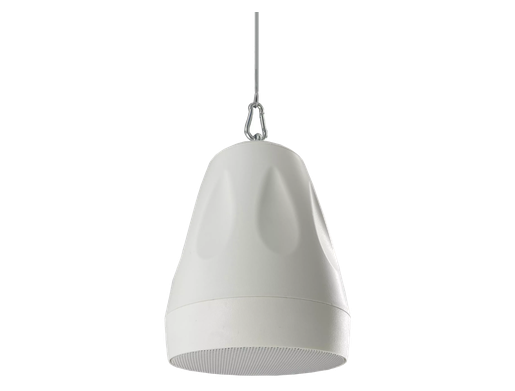


Система публичного оповещения, часто называемая PA system, — это аудиокоммуникационная система для передачи голосовых объявлений, тревожных сигналов, сообщений вызова, живой речи или заранее записанного аудио в заданную зону или несколько зон. Она позволяет одному источнику звука одновременно охватить множество слушателей. Такие системы применяются в школах, заводах, офисных зданиях, транспортных узлах, больницах, торговых центрах, стадионах, промышленных объектах и средах общественной безопасности, где требуется четкая и управляемая массовая аудиосвязь.
На базовом уровне PA-система принимает аудио от одного или нескольких источников, обрабатывает и усиливает сигнал, а затем распределяет его на громкоговорители, установленные на объекте. В реальных проектах это может быть как небольшая локальная система объявлений, так и крупная многозонная платформа, связанная с пультами вызова, SIP-сетями, интеркомами, аварийной логикой и централизованным программным управлением. Современные системы все чаще становятся частью IP-коммуникационной архитектуры.
Главная ценность PA-системы — быстро и понятно донести информацию до людей. В обычной работе она используется для объявлений, служебных инструкций, сменных сигналов, управления очередями, расписаний звонков и сервисных сообщений. В чрезвычайных ситуациях она помогает при эвакуации, предупреждении, координации действий и контроле обстановки. Поэтому это не только удобный инструмент, но и элемент эксплуатационной и защитной инфраструктуры.
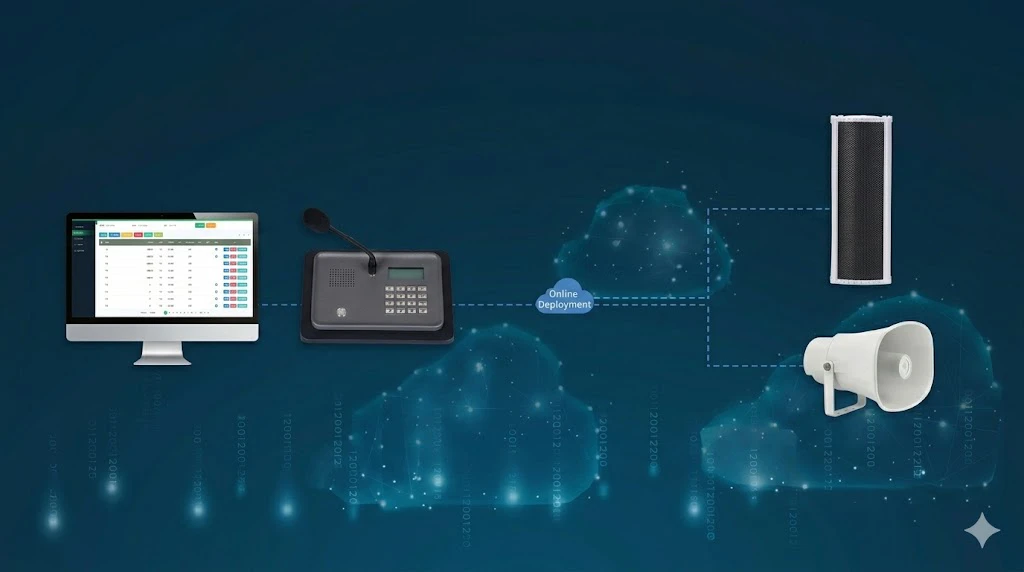
PA-система передает живое или записанное аудио в одну или несколько зон для регулярных сообщений и аварийных объявлений.
Определение системы публичного оповещения
Система связи «один ко многим»
Основная задача PA-системы — транслировать звук от одного или ограниченного числа источников многим слушателям. В отличие от телефонного вызова или интеркома, обычно рассчитанного на одного человека или небольшую группу, PA предназначена для связи «один ко многим». Это подходит для объектов, где сообщение должно прямо и разборчиво reach аудиторию, рабочую зону, здание или весь site.
Сообщением может быть живое объявление с микрофона, расписанный сигнал, фоновая музыка, записанная инструкция безопасности или автоматически запущенная тревога. Слушателями могут быть сотрудники, пассажиры, учащиеся, посетители или люди на открытой территории. Общая цель — эффективная, четкая и часто выборочная передача по зонам и приоритетам.
Поэтому PA-система — это не только громкоговорители. Это организованная аудиоплатформа с входом, усилением, маршрутизацией, выходом на динамики и управлением зонами. Расширенные решения также включают сеть, мониторинг, аварийную логику и интеграцию.
От простого вызова к инфраструктуре объекта
В малом объекте система может быть микрофоном и несколькими потолочными динамиками. В крупной школе или заводе она может иметь десятки зон, несколько пультов, расписания, приоритетное прерывание, интеграцию SIP-телефонов и веб-управление. В транспортной и промышленной безопасности она может подключаться к тревогам, диспетчерским и аварийным процессам.
Так PA-система становится промежуточным уровнем между аудиоинфраструктурой и операционной коммуникацией. Она не только передает звук, но и участвует в процессах, безопасности и координации. Важны правильная маршрутизация, надежный запуск и разборчивость речи в сложной акустике.
Это объясняет, почему такие системы важны для коммерческих и промышленных объектов: важно не просто быть услышанным, а быть понятым в нужном месте и в нужное время.
Система публичного оповещения — это не просто группа громкоговорителей, а управляемая платформа для передачи речи и аудио там, где важны время, покрытие и разборчивость.
Как работает PA-система
Ввод, обработка, усиление и вывод аудио
Система берет звук от источника, подготавливает его к передаче, усиливает до нужной мощности и отправляет на громкоговорители. Источником может быть ручной микрофон, настольная вызывная станция, аварийный микрофон, медиаплеер, сетевой поток, телефонный интерфейс, SIP-терминал или записанное сообщение. Контроллер управляет уровнем, выбором источника, тембром и зонами.
Затем сигнал поступает на усилитель или группу усилителей, которые питают потолочные, настенные, рупорные, колонные или уличные защищенные громкоговорители. В IP-системах часть аналогового распределения может заменяться сетевым аудио, что упрощает расширение.
Итог — один источник слышен в одной или нескольких областях. Система может включать все динамики или только выбранные зоны.
Зональное управление и выборочная трансляция
Зонирование — важнейшая функция. Зона может быть этажом, крылом здания, производственной линией, платформой, участком склада, учебным блоком, парковкой или внешним периметром. Сообщение передается только туда, где нужно, снижая шум и повышая эффективность.
Школа может дать звонок всему кампусу и направить служебное сообщение только в администрацию. Завод может вызвать ремонтников в один цех. В больницах и транспорте разные зоны часто требуют разных сообщений одновременно.
Современные системы поддерживают группы зон, уровни приоритета и выборочную маршрутизацию. Экстренные сообщения могут прерывать обычный звук во всех или заданных зонах.
Приоритет и аварийное прерывание
Если существует несколько источников, необходима логика приоритета. Фоновая музыка уступает живому объявлению, обычное сообщение уступает эвакуации, а общий сигнал тревоги может прервать все.
Аварийная PA-платформа может быть связана с пожарной сигнализацией, диспетчерским пультом или аварийными триггерами. При событии она отключает низкий приоритет и передает тоны или инструкции в нужные зоны, а живой аварийный вызов получает максимальный приоритет.
Такая управляемая логика делает систему важной в критичных средах: она доставляет правильный звук с правильной срочностью.
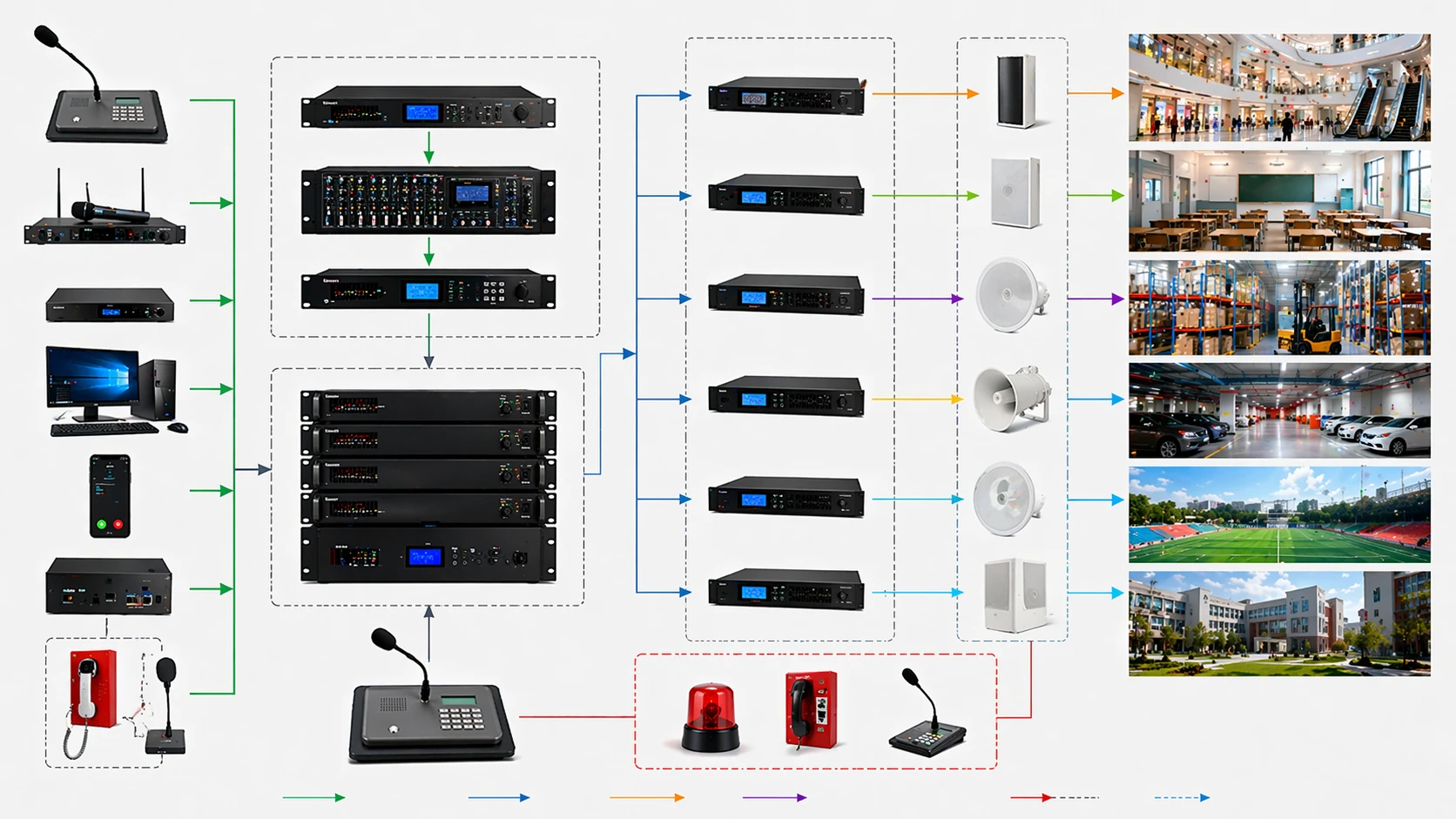
Типовой поток включает ввод аудио, управление зонами, усиление и распределение на громкоговорители.
Основные компоненты
Микрофоны, пульты и источники аудио
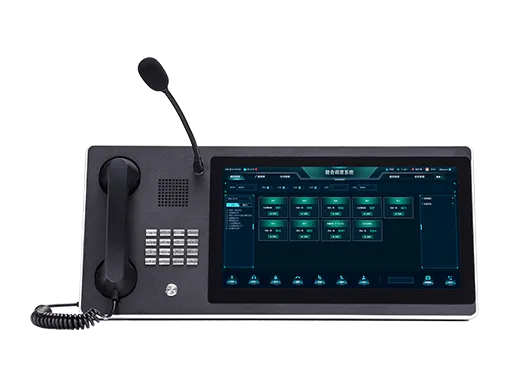
Входная часть включает микрофоны, диспетчерские пульты, проигрыватели, медиасерверы, сетевые потоки и SIP-терминалы. Крупные станции могут иметь кнопки зон, индикацию, управление вызовом и программируемые функции.
Автоматизированные источники включают школьные звонки, сменные сигналы, сервисные объявления и записанные инструкции. В IP-среде аудио может запускаться телефонией, ПО и удаленным интерфейсом.
Источник — это любой авторизованный живой или автоматический origin, а не только человек с микрофоном.
Усилители, контроллеры и управление сигналом
Усилители обеспечивают мощность для громкоговорителей и могут быть распределены по зонам, зданиям или функциям. Современные модели поддерживают сетевое аудио, мониторинг и удаленное управление.
Контроллеры выполняют выбор источника, приоритеты, маршрутизацию, расписание, диагностику и интеграцию.
Управление сигналом сохраняет разборчивость, снижает искажения и обеспечивает предсказуемый звук.
Громкоговорители и покрытие
Потолочные громкоговорители используются внутри зданий, настенные — для направленного покрытия, рупорные — для улицы и шума, колонные — для коридоров и зон с реверберацией.
Уличные и промышленные зоны требуют защиты от погоды, коррозии, высокого звукового давления и продуманного размещения.
Выбор динамиков — акустическое и инженерное решение.
Ключевые функции
Широкое аудиопокрытие
PA охватывает комнату, этаж, кампус, завод, тоннель или открытый объект, доставляя сообщение многим людям без перемещения диктора.
В обычной работе это поддерживает координацию, а в аварии — мгновенное предупреждение.
Масштаб зависит от проекта: от локальной системы до многосайтовой платформы.
Зональный paging
Зональный вызов определяет, кто слышит сообщение, снижая помехи и повышая релевантность.
Он отражает реальные границы склада, школы, больницы или общественной зоны.
Это функция рабочего процесса, а не только техники.
Интеграция с SIP, IP и другими системами
Современные PA интегрируются с SIP-телефонией, IP-сетями, интеркомами, тревогами и ПО.
Администратор может управлять зонами через web, контролировать устройства, планировать объявления и связывать речь с incident workflow.
Система превращается в операционный коммуникационный сервис.
Аварийная трансляция
При пожаре, угрозе безопасности, непогоде, промышленной тревоге или эвакуации PA быстро передает предупреждения и инструкции.
Нужны разборчивость, правильные зоны, приоритет, надежность, резервное питание и интеграция.
Именно поэтому важен профессиональный проект.
Сила PA-системы — в доставке правильного сообщения в правильную зону в самый важный момент.
Применение
Школы и кампусы
Системы используются для утренних объявлений, звонков, аварийных инструкций, зонального вызова и связи администрации. Современные кампусы подключают SIP-телефоны, IP-динамики, интеркомы и расписания.
Зоны позволяют по-разному обслуживать разные части кампуса.
Это улучшает безопасность и управление.
Заводы, склады и промышленность
Промышленные площадки используют PA для смен, инструкций, тревог, безопасности и общей связи. В шуме нужны рупоры, мощные усилители и план покрытия.
Иногда PA входит в PAGA или промышленную коммуникационную платформу.
Она поддерживает информированность, сообщение об опасности и координацию.
Больницы и сервисные здания
Больницы, гостиницы, офисы и магазины используют PA для публичных и внутренних сообщений.
Требуется баланс слышимости и комфорта.
Качество объявления влияет на операционную эффективность и восприятие.
Транспорт, общественная безопасность и улица
Станции, аэропорты, парковки, тоннели и площади используют PA для информации, направления и аварий.
Шум, погода и движение людей требуют надежного дизайна.
PA становится частью коммуникационного backbone объекта.
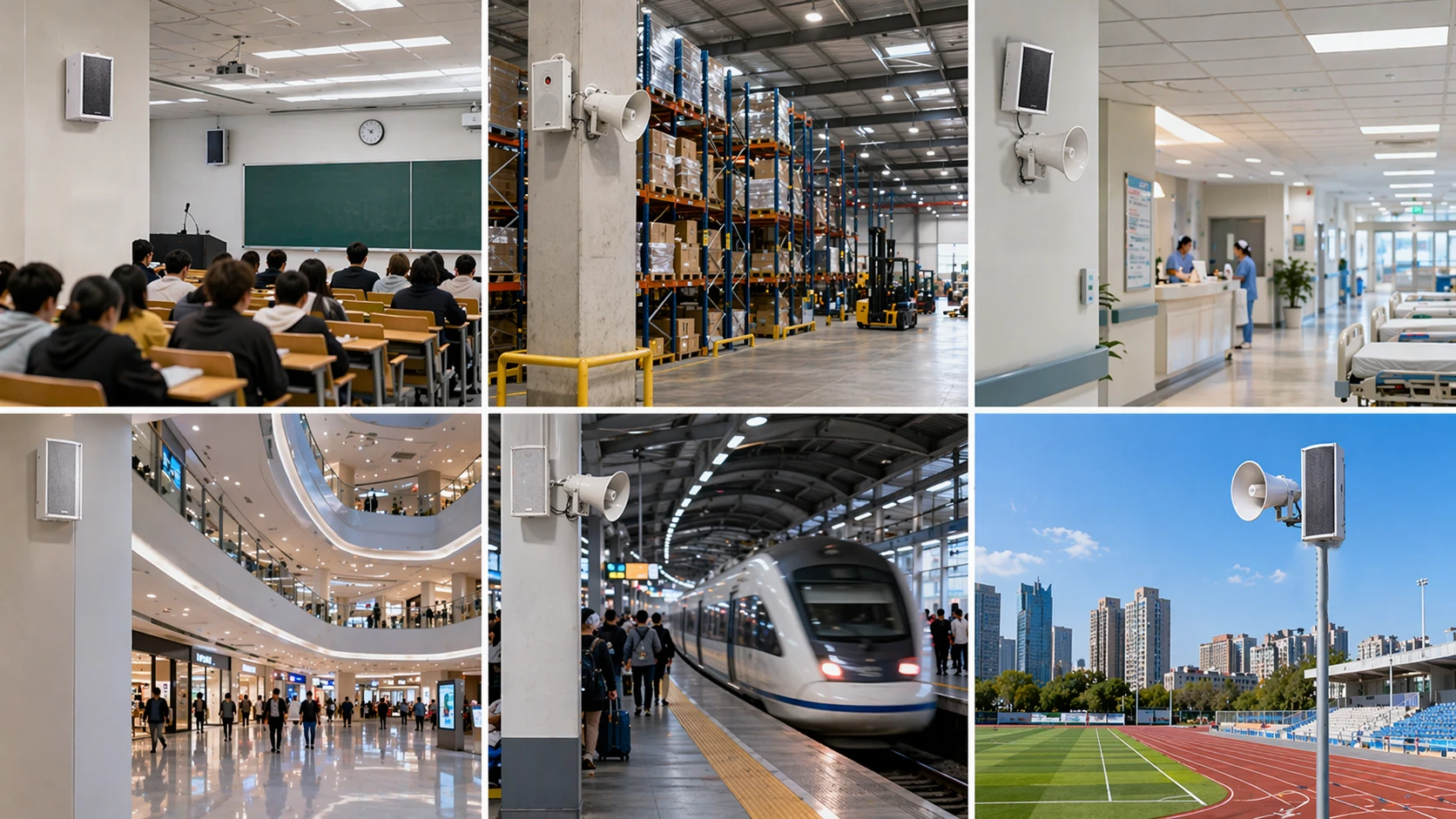
PA-системы широко применяются в образовании, промышленности, здравоохранении, транспорте и общественной безопасности.
Почему PA-системы важны
Инструмент быстрой ясной связи
Несмотря на цифровые сообщения, PA напрямую достигает групп людей. Не все смотрят на экран вовремя, а голосовое объявление действует сразу.
Для получения сообщения не нужен телефон, учетная запись или приложение.
Поэтому PA остается важной даже в цифровых объектах.
Растущая ценность в SIP и IP
SIP paging, IP-громкоговорители, web-усилители, централизованное ПО и сетевой диспетчер делают PA умнее и управляемее.
Организация может расширять объявления между зданиями и объектами, сохраняя централизованное управление.
Современная PA-система — это аудиоплатформа и элемент коммуникационной инфраструктуры.
На современных объектах система публичного оповещения остается одним из самых быстрых способов передать людям информацию, которая не может ждать.
FAQ
Какова главная цель PA-системы?
Быстро и четко доставлять живые или записанные объявления многим людям в одной или нескольких зонах.
Чем PA отличается от интеркома?
PA в основном является связью «один ко многим», а интерком обычно обеспечивает двустороннюю связь.
Может ли современная PA работать с SIP и IP?
Да, многие системы поддерживают SIP paging, IP-динамики, сетевые усилители, удаленное управление и интеграцию с телефонией и аварийными системами.
Где PA применяются чаще всего?
В школах, заводах, больницах, офисах, торговых центрах, транспорте, общественных пространствах и аварийной связи.